Neighborhood Intel
The Gaslamp Reckons With Itself
What Operation Last Call reveals about the true cost of a neighborhood's reputation — and why public safety is always a real estate story
Jon Granston | August 28, 2026
What Operation Last Call reveals about the true cost of a neighborhood's reputation — and why public safety is always a real estate story
Jon Granston | August 28, 2026
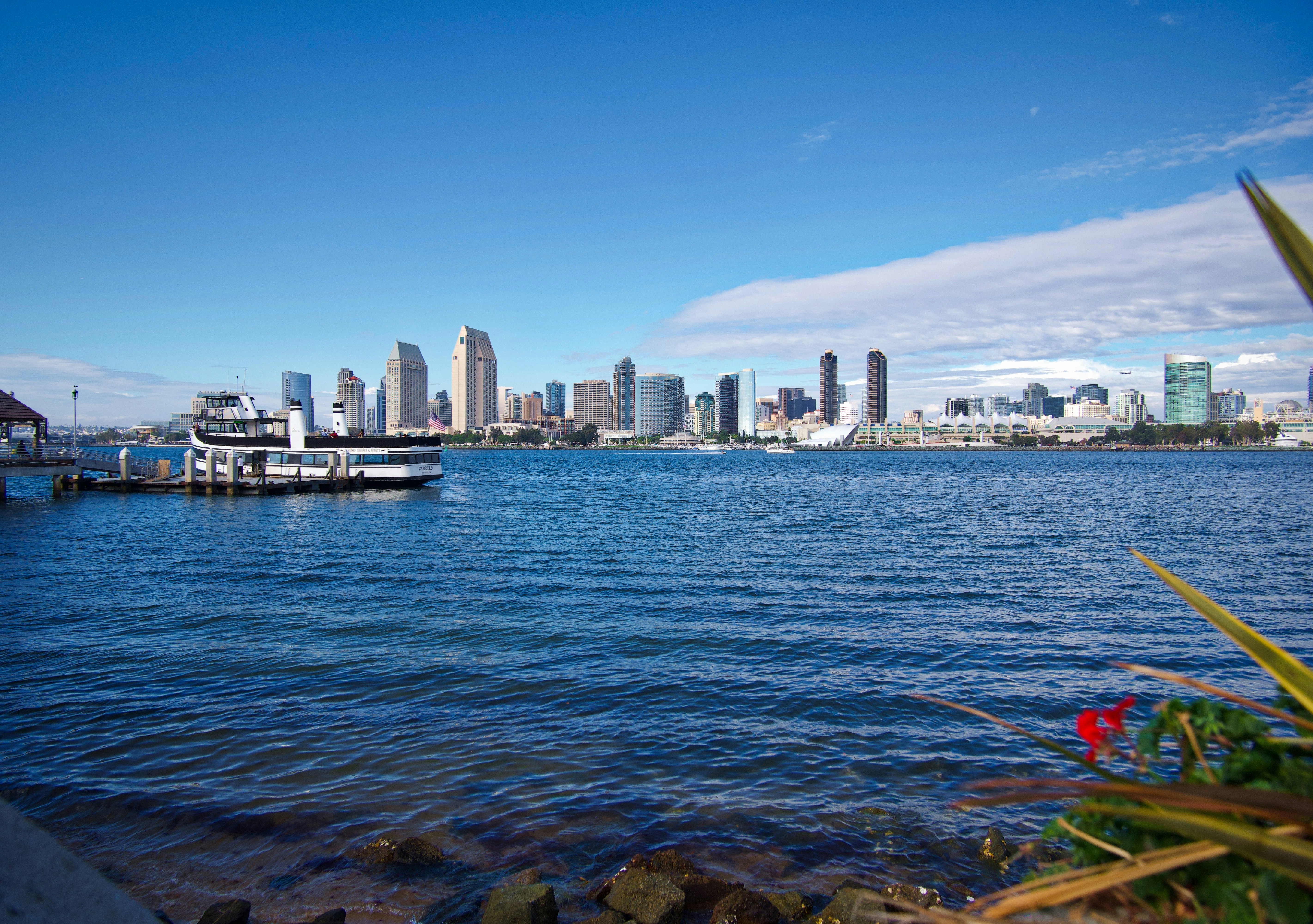
San Diego has given its Gaslamp problem a name. Operation Last Call, announced Friday by Mayor Todd Gloria and SDPD Chief Scott Wahl, deploys tactical units, increased foot patrols and a stated zero-tolerance posture at Fifth Avenue and F Street — ground zero for a string of late-night brawls that have sent viral footage of pepper spray and mass confrontations circling well beyond city limits. The catalyst was a sprawling fight outside Tacos El Gordo on August 23rd, though city officials are clear the restaurant itself bears no blame. The deeper issue is structural: one of San Diego's most visited intersections has become a pressure point where late-night crowds, bars, rideshares and police collide in ways the city can no longer absorb quietly.
For anyone thinking about property in coastal San Diego, this story matters beyond its headlines. Public safety and neighborhood character are not soft metrics. They are among the most consequential drivers of long-term real estate value. When a district earns a reputation for disorder — when viral footage defines the public image of a neighborhood more than its architecture or restaurants do — that signal reaches buyers, developers and institutional money alike. The Gaslamp has long anchored downtown San Diego's identity as an entertainment destination, and what happens to that identity has ripple effects on the residential appeal of surrounding blocks, the East Village, Little Italy and the broader downtown investment thesis.
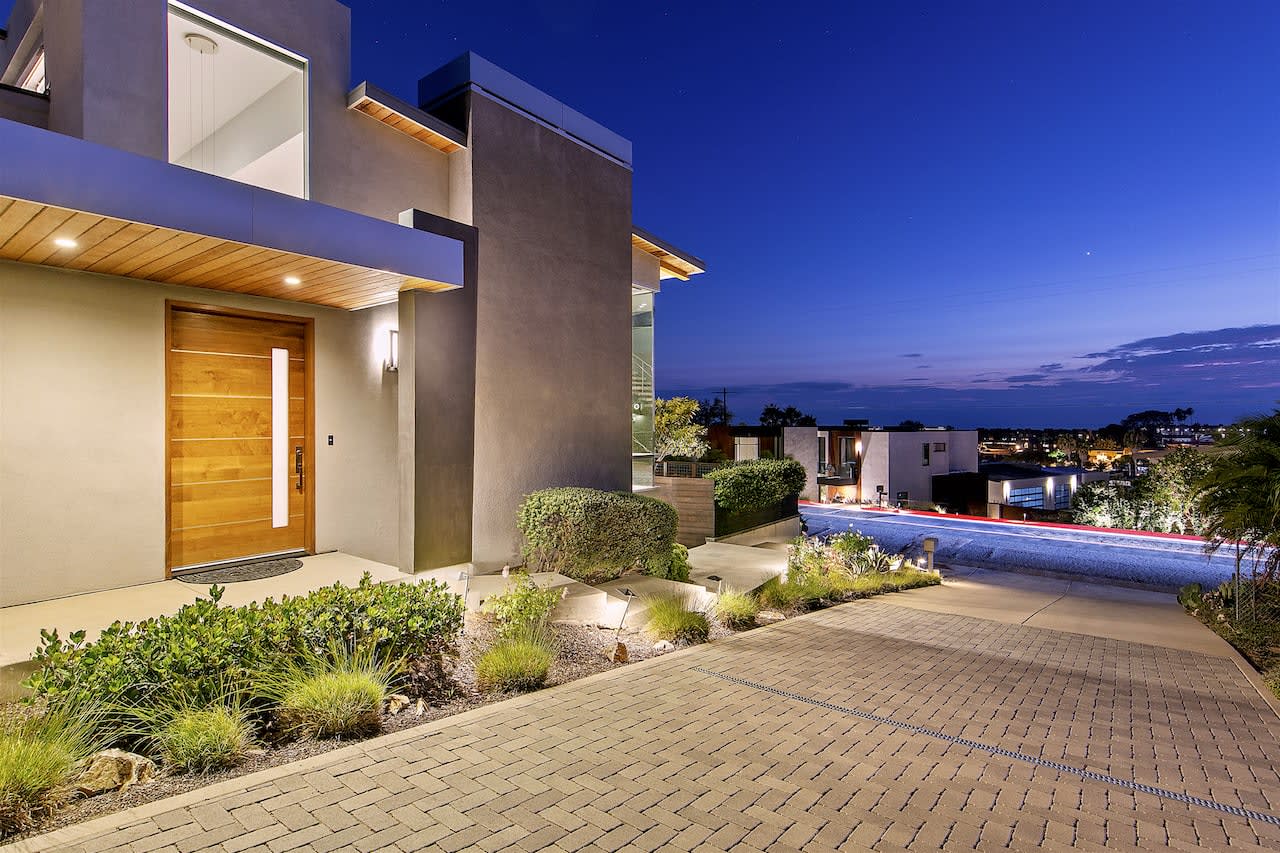
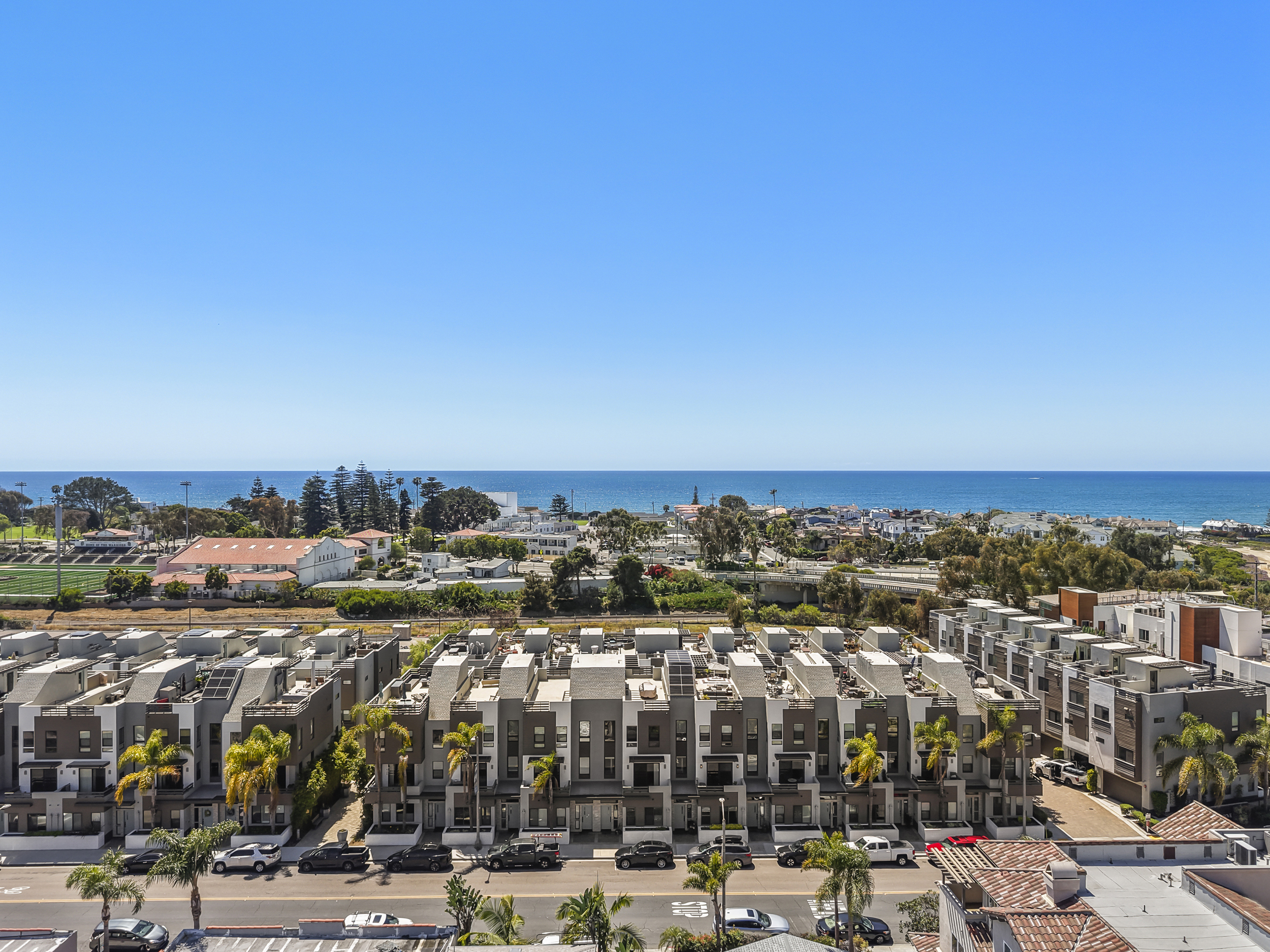
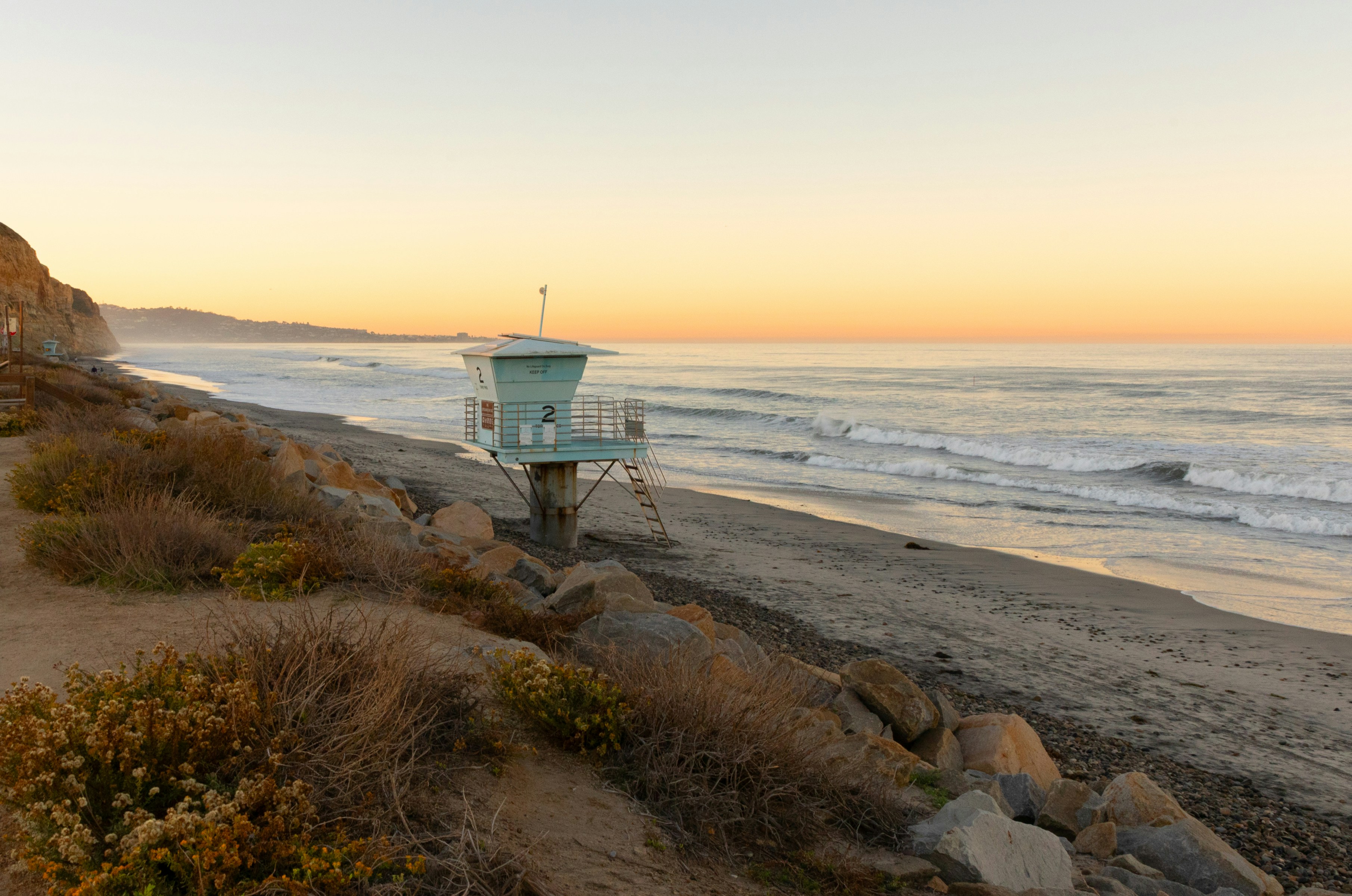
The contrast with the coastal communities Advisory San Diego serves is instructive. Del Mar, La Jolla, Coronado and Rancho Santa Fe command premium prices in part because the environments feel considered — places where the public realm, from street cleanliness to ambient safety to the quality of the dining scene, reflects intentional stewardship. That stewardship is not accidental. It is the product of active civic investment, engaged local leadership and communities that hold the line on what they will and will not tolerate. Operation Last Call is, at its core, San Diego attempting to exercise exactly that kind of stewardship in a district that has drifted.
The statistics released Friday are striking enough to deserve serious attention. SDPD recorded 361 pepper-spray deployments in the Gaslamp in 2025 alone — more than double the prior year, and vastly more than any other neighborhood in the city. Assaults on officers in the district rose 172 percent over two years. These are not numbers that appear in a healthy neighborhood narrative. They are the kind of numbers that reshape how buyers, renters and businesses perceive an area, often for years after the underlying conditions improve. Recovery from a tarnished reputation takes longer than the enforcement operation meant to restore order.
What San Diego's leadership seems to understand — and what the Downtown San Diego Partnership's involvement confirms — is that policing is only part of the answer. City officials have paired Operation Last Call with commitments around infrastructure, cleanliness and the overall visitor experience. That layered approach, enforcement plus environmental investment, is the right instinct. The neighborhoods that hold their value through economic cycles are the ones where safety, beauty and civic pride are maintained together, not traded off against one another. The Gaslamp has the bones to be what officials say it should be. Whether Operation Last Call marks a genuine turning point or a temporary escalation is the question San Diego's real estate community will be watching closely.
Jon Granston · Advisory San Diego · DRE #01876007 · (858) 252-0307