



Breaking Down the Accessory Dwelling Unit (ADU): What You Need to Know
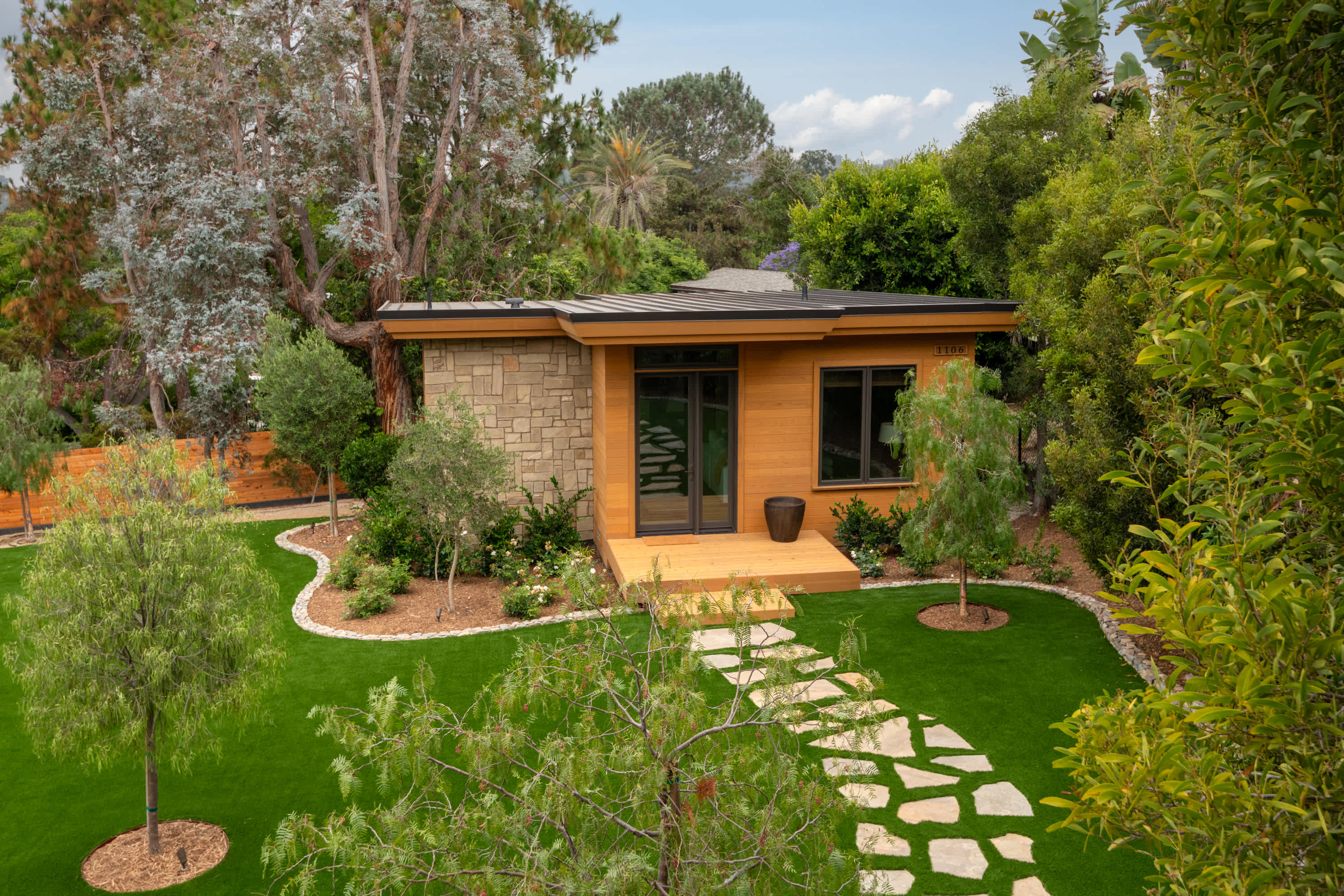
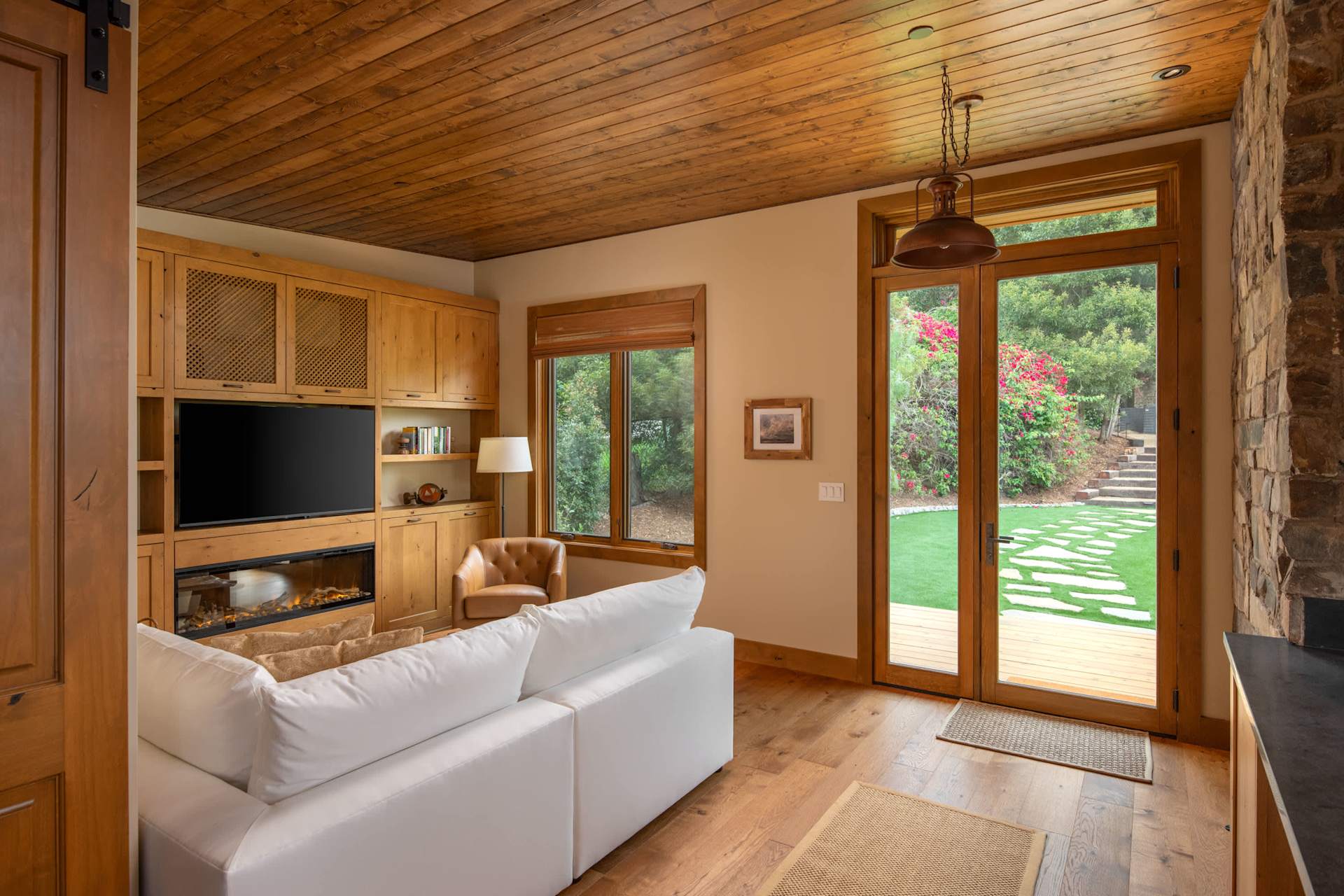
Accessory Dwelling Units, commonly known as ADUs, have gained tremendous popularity in recent years. Whether you’ve heard them referred to as “granny flats,” “in-law units,” or “guest houses,” these small, self-contained living spaces on the same lot as a primary residence offer multiple benefits. So, why should you consider building an ADU, and what are the laws and regulations governing them? Let's dive into the essentials.
What Is an ADU?
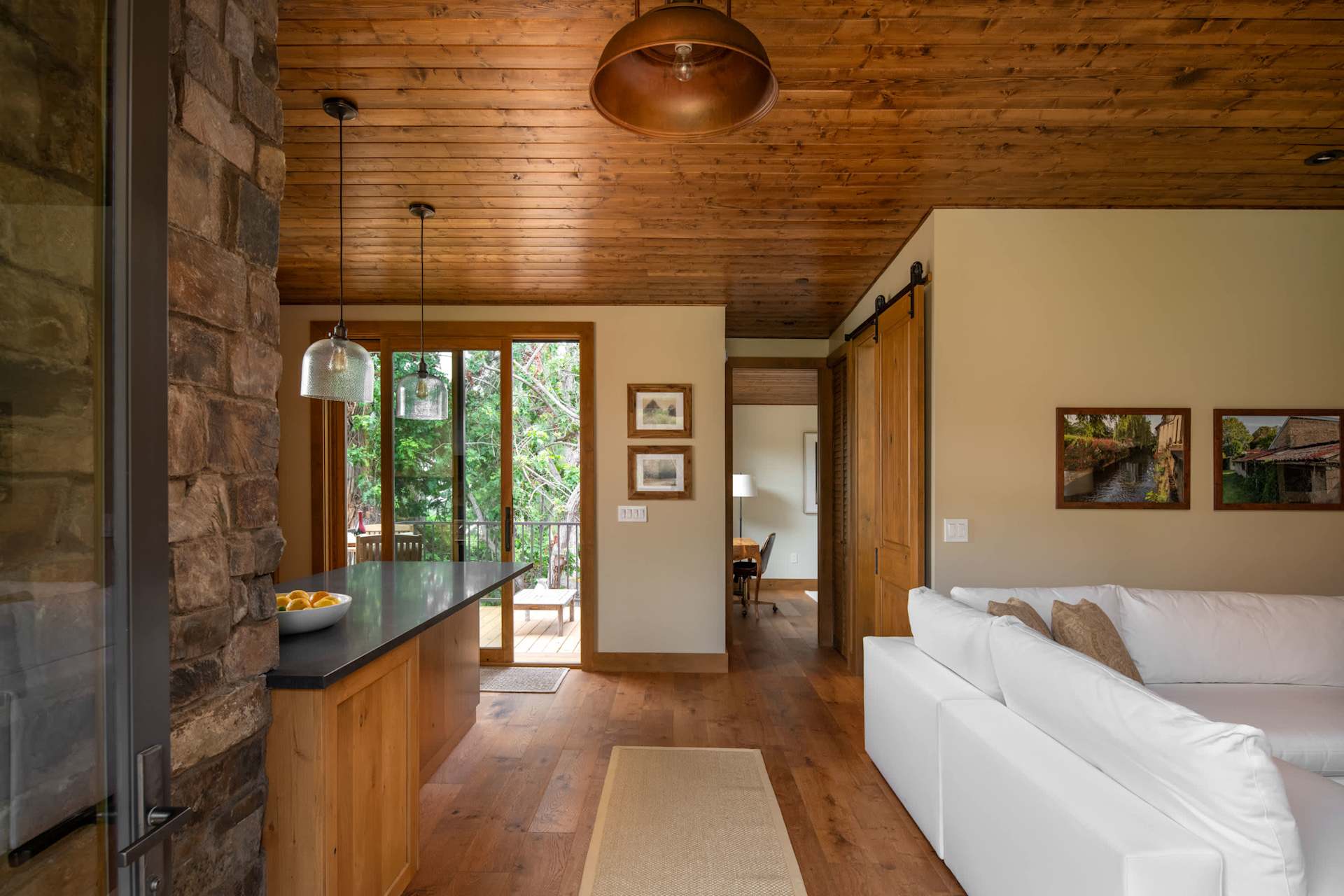
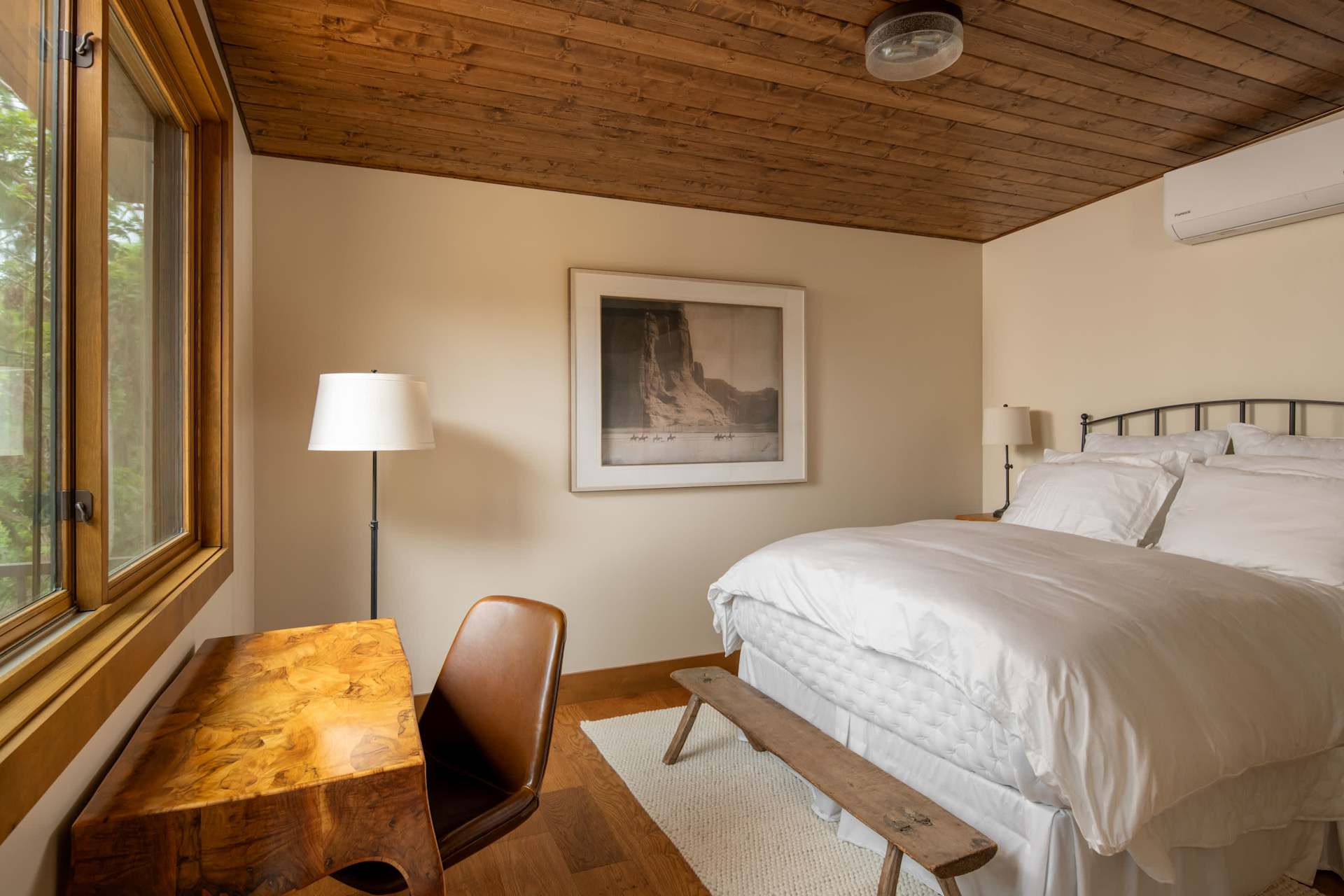
An ADU is a secondary housing unit built on the same property as a single-family home. These units can either be detached or attached to the main residence and can take the form of garage conversions, backyard cottages, or standalone structures. In some cases, they may even be a part of the main home, such as a converted basement or attic.
Why Build an ADU?
Homeowners choose to build ADUs for several reasons:
- Add Value: ADUs significantly increase property value and appeal.
- Rental Income: With rising rental prices, ADUs offer a lucrative source of extra income.
- Affordable Housing: ADUs provide a flexible, cost-effective way to house extended family members or aging parents.
- Downsizing: Many use ADUs for multi-generational living arrangements, offering both shared spaces and privacy.
Navigating ADU Laws and Regulations
While ADUs provide flexibility and opportunity, navigating the laws and rules can be tricky. Both the State of California and local governments regulate ADU construction. However, California has recently eased restrictions, making ADU projects simpler and more accessible for homeowners.
Here’s a breakdown of some recent legal updates that went into effect in January 2024:
AB 1033: ADU Sale Separately From Primary Residence
Previously, ADUs could not be sold separately from the main house. Assembly Bill 1033 now allows homeowners to sell an ADU as a condominium, provided they receive approval from the California Department of Real Estate. This opens up more opportunities for investment and property development.
AB 976: No More Owner-Occupancy Requirement
Another important update is AB 976, which removes the "owner-occupancy" condition for new ADUs. This means that homeowners can build and rent out an ADU without the requirement of living in the primary residence—a significant change for investors and homeowners alike.
AB 434: Pre-Approved ADU Plans by 2025
To streamline the ADU approval process, Assembly Bill 434 requires all cities and municipalities to offer pre-approved ADU design plans by January 2025. These plans, typically created by licensed architects, will make it easier and faster for homeowners to get their ADU projects off the ground.
Additional Notable ADU Laws:
- 60-Day Rule (AB 2221): Agencies must respond to ADU plan submissions within 60 days, cutting down the wait time.
- Height Restrictions: ADUs can now reach up to 25 feet in height if attached to the main home.
- Unpermitted Structures (SB 897): Homeowners no longer need to bring unpermitted structures up to code unless there is a health or safety concern, making ADU development less costly.
Other Considerations for ADU Construction
- No Lot Size Restrictions: ADU laws prohibit local governments from imposing minimum lot size requirements.
- No Parking Replacement Needed: If a garage or covered parking area is converted into an ADU, homeowners do not need to replace the lost parking.
- No Impact Fees for Small Units: ADUs under 750 sq. ft. are exempt from certain impact fees.
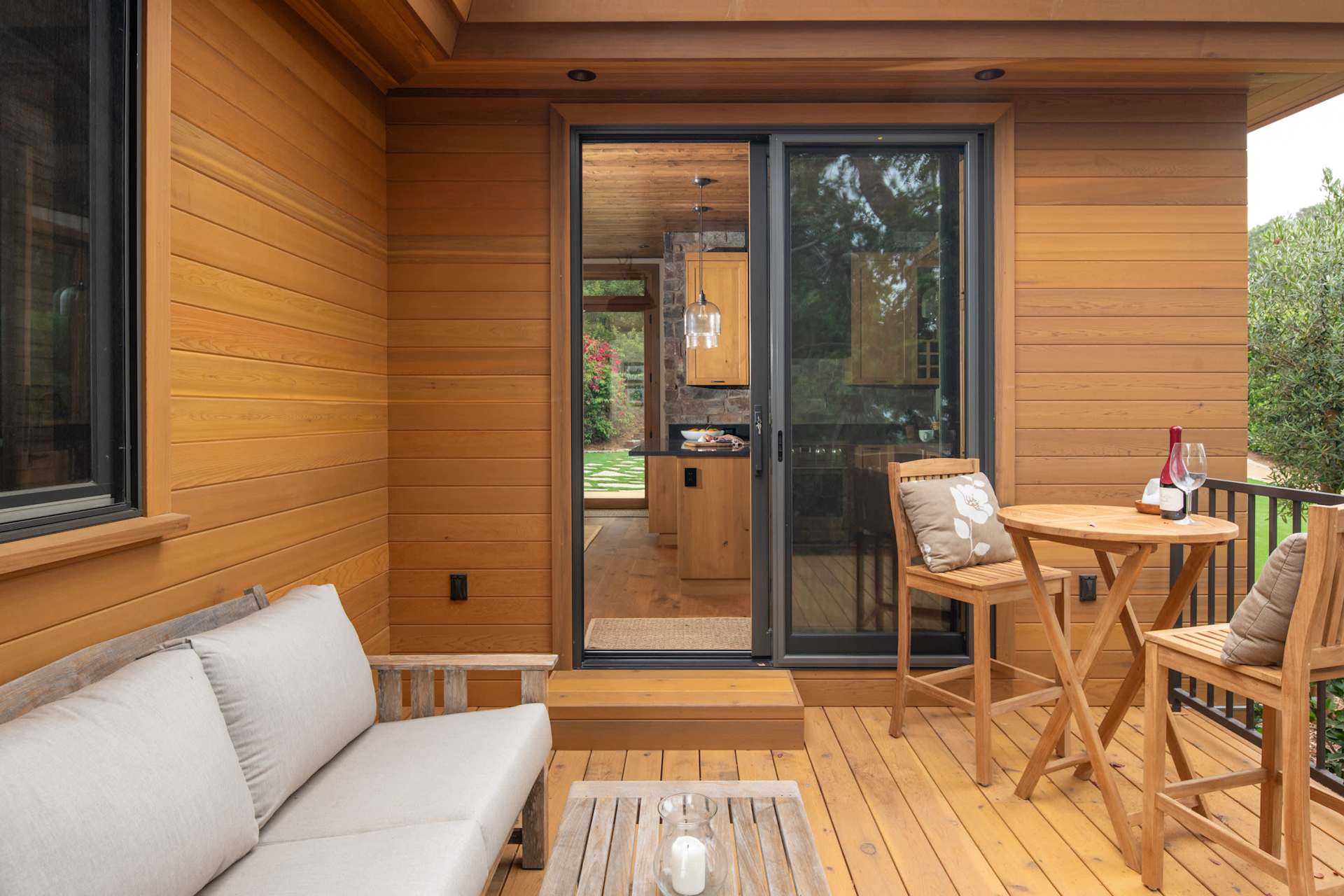
Key Takeaways
Building an ADU can offer incredible benefits for homeowners, whether for rental income, housing family members, or simply adding property value. However, with state laws changing regularly, it’s important to stay informed and consult with professionals to navigate the building process smoothly.
Click here to explore the benefits of ADUs and get started with your custom project. McQueen Build specializes in custom homes and ADUs, ensuring your project complies with all state and local regulations.
For a deeper dive into the new 2024 laws, you can access the California Department of Housing and Community Development’s handbook here.


SANDAG Proposes Tunnels to Relocate Del Mar's Railroad Tracks
SANDAG has introduced three proposals to relocate the railroad tracks currently situated along the Del Mar bluffs, moving them inland and undergr
Read the story ›


Stay informed.
The weekly market update and new listing alerts, delivered to your inbox.