Hui Ka Yan, the founder of China Evergrande Group, has been sentenced to prison in a case that closes one chapter of the most consequential real estate collapse in modern history. Evergrande's implosion didn't just erase hundreds of billions in value from China's property sector — it reshaped how ultra-high-net-worth Chinese nationals think about where to hold wealth, where to live, and which markets they trust. That recalibration matters in a place like coastal San Diego, where international capital has long been a quiet but steady presence.
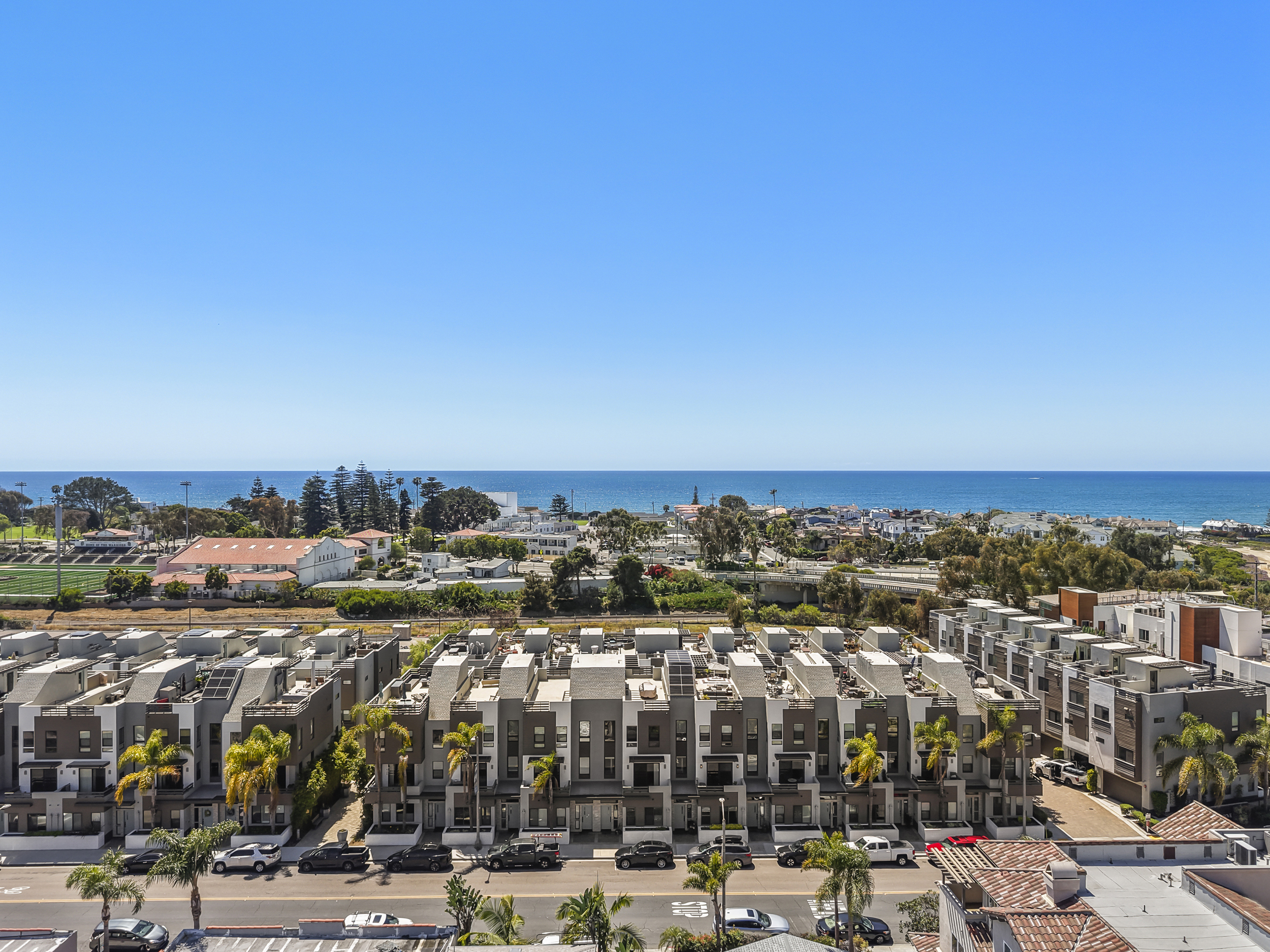
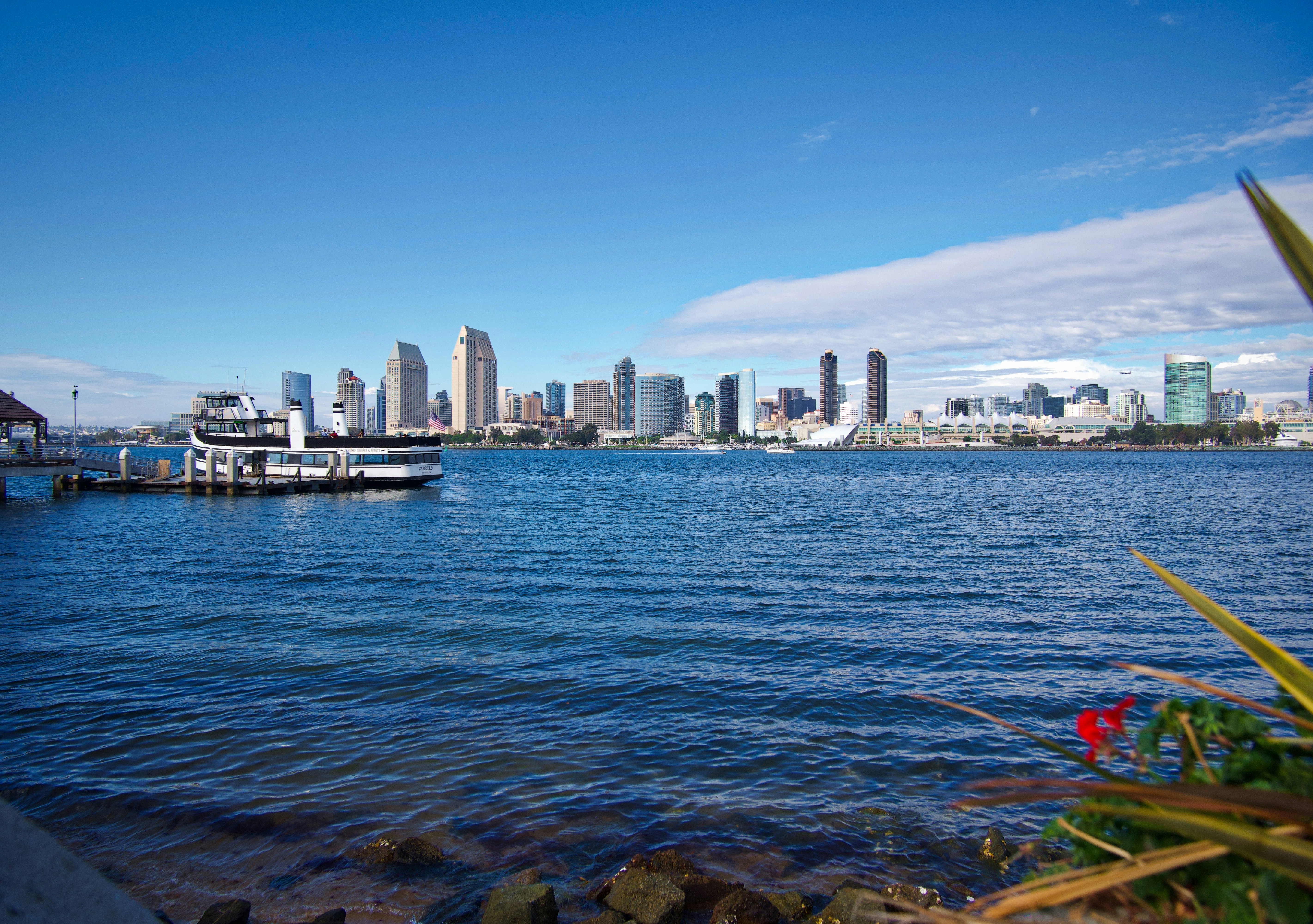
China's property sector represented roughly a quarter of the country's GDP at its peak. Its sustained unraveling — Evergrande was only the loudest casualty — has accelerated a capital flight pattern that predates the collapse but has intensified since. Wealthy Chinese families with the means and foresight to diversify internationally have increasingly looked to U.S. coastal markets. San Diego's combination of proximity to Asia-Pacific trade routes, elite schools, stable governance, and irreplaceable physical geography makes it a logical destination. Del Mar, La Jolla, and Rancho Santa Fe in particular carry the kind of long-term scarcity that sophisticated international buyers understand intuitively.
The Evergrande saga also reinforced something that experienced investors already knew: property markets tied to speculative development and government-dependent liquidity are fragile. The coastal San Diego market operates on an entirely different thesis — constrained supply, world-class infrastructure, and a consistently high barrier to ownership that protects value through cycles. High-net-worth buyers who watched peers lose fortunes in Chinese real estate are not looking for yield plays. They are looking for permanence. That instinct directs capital toward markets where the land itself is the asset.
For sellers in this market, the implications are real. Global disruption — when it affects regions where significant personal wealth is concentrated — tends to accelerate decisions that were already forming. A family that had been considering a U.S. purchase for two years may find that a verdict like Hui's, and the broader institutional message it sends about China's property landscape, is the final signal they needed. Inventory along the coast remains historically constrained. When motivated, liquid buyers arrive with urgency, that dynamic does not favor hesitation on the sell side either. Understanding the macro forces that shape buyer psychology is part of what separates a strategic real estate decision from a reactive one.
Jon Granston · Advisory San Diego · DRE #01876007 · (858) 252-0307
← Back to Blog